
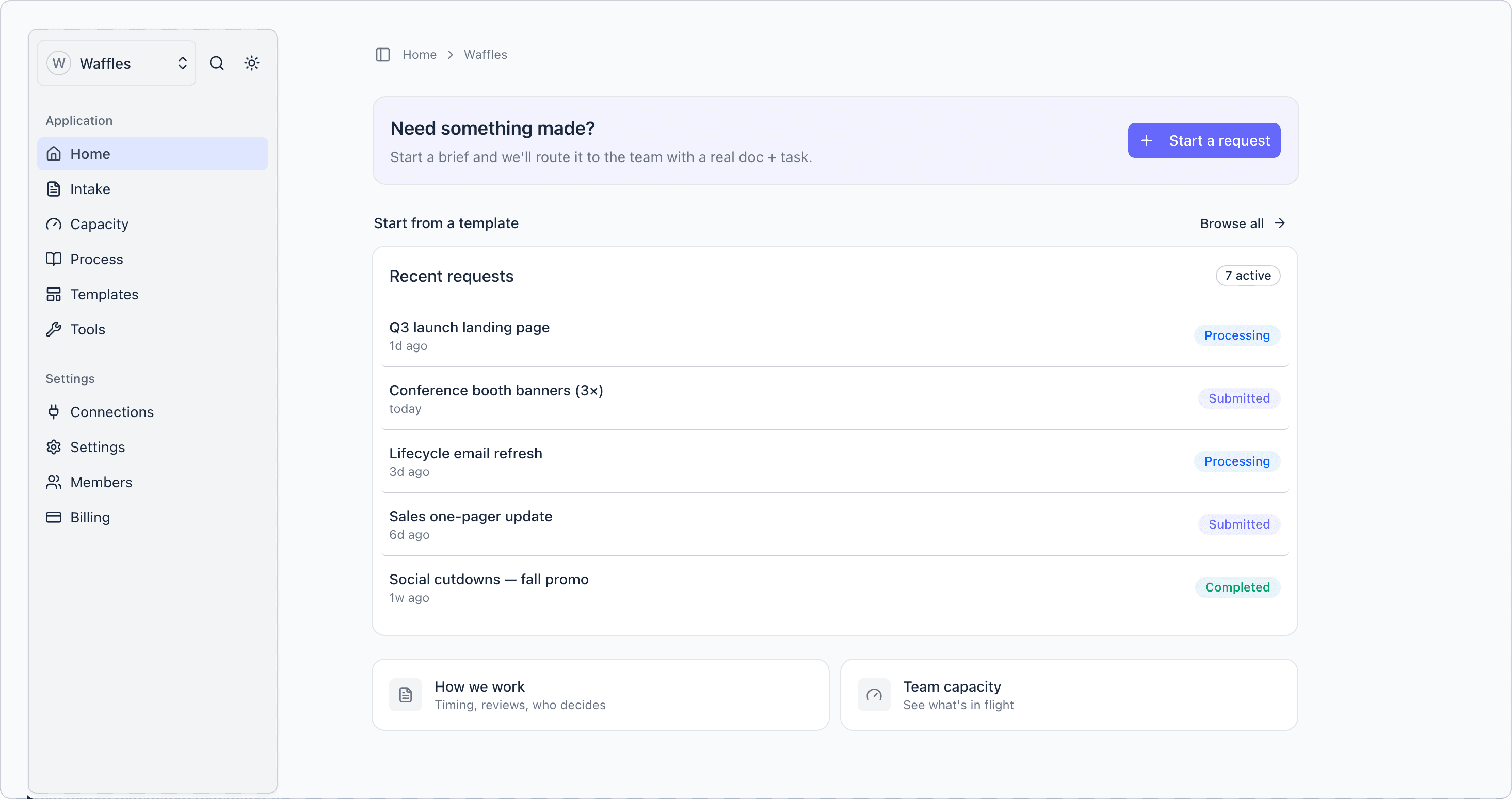
How HQ works

Submit a request
A guided intake form captures exactly what's needed.

Get a structured brief
HQ writes a clean, formatted brief in Google Docs.

Task appears
The work lands in Asana, Linear, or Monday automatically.

Team is notified
A Slack ping fires in the right channel, with the brief linked.
From intake chaos to a system that runs itself
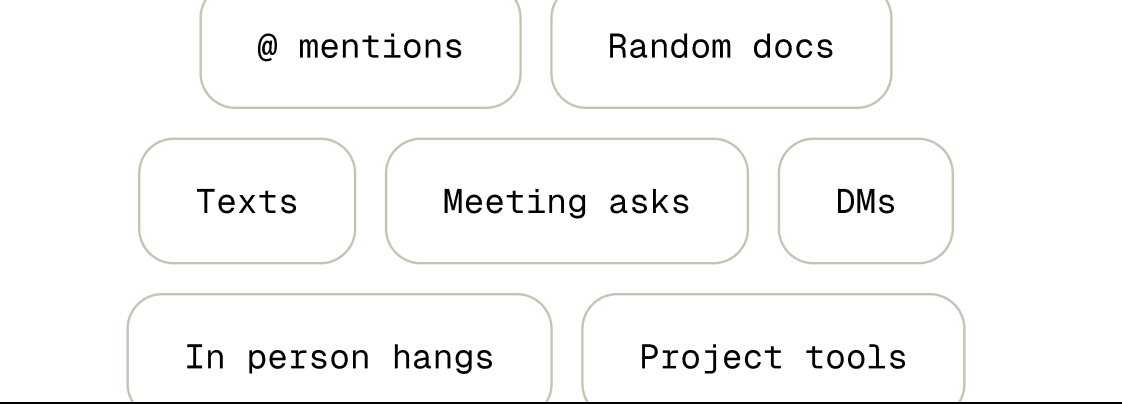
Intake chaos, times every client
Each client has their own way of sending work — email, Slack, docs, hallway asks. Multiply that by your whole roster.

A front door per client
Give every client one place to request work — consistent and on-brand — so no thread goes unchased.
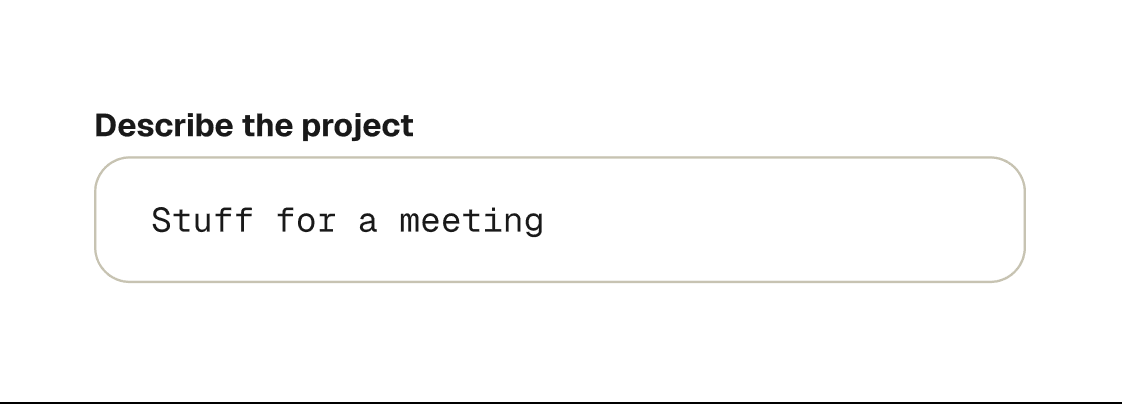
Briefs that start a back-and-forth
Vague requests mean your team loses hours clarifying details before any billable work begins.
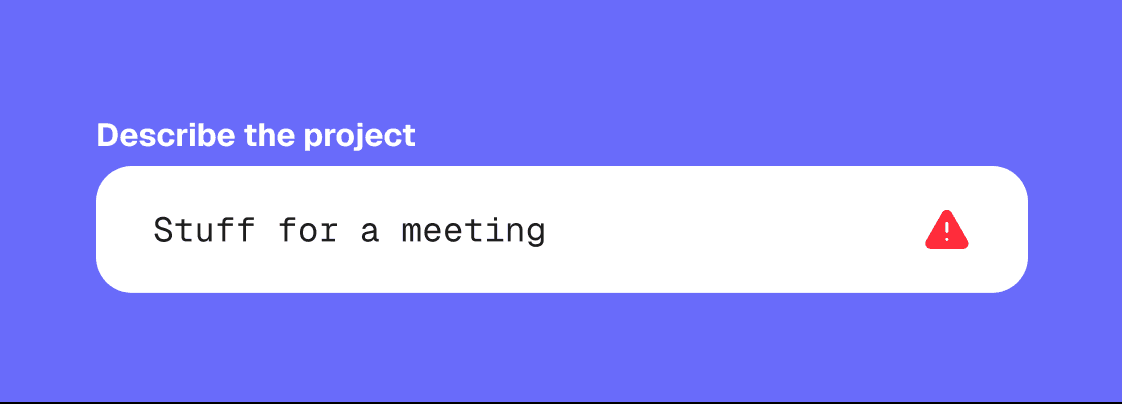
Briefs your team can act on
HQ validates each request as it's written, so it lands complete and ready to assign.
Who has bandwidth?
"Can we take this on?" is a guess when work is spread across clients and people — and someone's plate is always overloaded.

Capacity across the studio
See what's in flight and how big each piece is, so you can staff the next job without guesswork.
An invisible process
Clients and new team members can't see how work moves through the studio, so everyone improvises.

A process everyone can see
HQ makes turnaround times, review steps, and who-decides-what visible to clients and team alike.
Brand drift across clients
When approved templates are hard to find, people grab whatever is handy (often AI) — and consistency slips across every account.

Brand systems, per client
Keep each client's templates — Canva, Figma, custom AI generators — in one place, with a request flow for custom work.

The service desk
Left unchecked, these frictions turn the studio into an order-taker. Clients say jump, the team asks how high.

A strategic partner
HQ sets the boundaries that reframe the studio as a partner — brought in early, not just at the end.
Connected to what you already use
HQ plugs into the tools your team already lives in. Simply connect and start sending people in. Nothing to migrate, no new tool to learn.